Personalized Medical Care & Dedicated International Patient Concierge

Medical Guide
PRP Joint Injection Therapy: What Patients Should Know
Learn what patients should know about PRP Joint Injection Therapy, including benefits, procedure, recovery, and potential results. Explore your options today.
Schedule a ConsultationUnderstanding Joint Pain and Its Causes
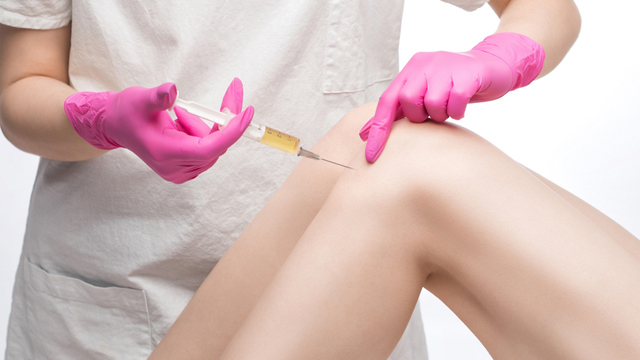
Joint discomfort can arise from a range of underlying issues, including:
Degenerative changes in cartilage and connective tissue
Repetitive strain from sports or physical labor
Ligament or tendon injuries
Tendinopathy or chronic overuse conditions affecting the shoulder, elbow, wrist, knee, or ankle
Age-related reduction in tissue elasticity and healing capacity
Prior injuries that have not fully healed or were treated conservatively without long-term resolution
Joint and soft tissue pain is also highly individual in how it presents. Two patients with similar imaging findings can experience very different levels of pain, stiffness, or functional limitation. This is part of why a diagnosis based on a scan alone can be misleading — tissue changes visible on MRI or ultrasound do not always correlate directly with the intensity of a patient's symptoms, and some structural changes are simply part of normal aging rather than the source of current pain.
Not every case of joint pain requires surgery, and imaging findings alone don't always explain a patient's symptoms. A thorough clinical evaluation — including physical examination, diagnostic ultrasound, and functional movement testing — is essential to understanding the actual source of pain before any treatment is recommended. This distinction between "what the scan shows" and "what is actually causing the pain" is central to determining whether a regenerative, non-surgical approach such as PRF is likely to be appropriate.
What Is PRP/PRF Joint Injection Therapy?
Platelet-based injection therapy uses a concentrated preparation derived from the patient's own blood, which is processed to isolate platelets and growth factors known to play a role in tissue repair. Standard PRP separates and concentrates platelets in plasma. Activated PRF, the form used at Nucellin, takes this a step further by producing a fibrin-based matrix that allows for a more gradual, sustained release of growth factors at the injection site.
The injection is typically guided by musculoskeletal ultrasound, allowing the physician to precisely target the affected joint, tendon, or soft tissue structure rather than relying on surface landmarks alone. This is particularly important in areas with complex anatomy, where even small differences in needle placement can affect how much of the concentrate reaches the intended tissue.
How PRF Differs from Traditional PRP
Both PRP and PRF begin the same way — with a blood draw that is processed in a centrifuge to separate and concentrate platelets. The key difference lies in what happens next:
Standard PRP is typically prepared with an anticoagulant, keeping the platelet concentrate in a liquid plasma state. Once injected, growth factors are released relatively quickly.
PRF (Platelet-Rich Fibrin) is processed without anticoagulants, allowing the sample to form a fibrin matrix — a scaffold-like structure that holds platelets, white blood cells, and growth factors together.
Activated PRF refers to a further processing step that encourages this fibrin network to release its growth factors more gradually over time, rather than all at once.
In practical terms, this fibrin scaffold is intended to allow for a more sustained biological effect at the injection site compared to standard liquid PRP. Patients researching this topic should be aware that clinical research into these preparations is still evolving, and results can vary based on the specific joint or tissue being treated, the concentration and processing method used, and individual patient biology.
Why Ultrasound Guidance Matters
Injections performed without imaging guidance rely on the physician's knowledge of surface anatomy to estimate the location of the target tissue. In contrast, ultrasound-guided injection allows for direct visualization of the joint capsule, tendon, or ligament in real time. This can help ensure the concentrate is delivered to the specific structure involved, rather than into surrounding tissue, and may reduce the number of needle passes required.
Who May Be a Suitable Candidate

Platelet-based joint therapy is generally considered for patients who:
Experience joint or soft tissue pain that has not fully responded to rest, physical therapy, or conservative treatment
Wish to explore non-surgical options before considering more invasive procedures
Have degenerative or overuse-related joint conditions without severe structural damage requiring surgical repair
Are in reasonably good general health, without active infection or certain blood-related conditions that may affect treatment safety
Not every patient is an appropriate candidate. Suitability depends on the specific joint involved, the severity and cause of the condition, and findings from the diagnostic evaluation. Patients with certain conditions — such as active infections, some blood disorders, or specific medication use that affects clotting — may need additional evaluation before this type of injection can be considered safe.
It's also worth noting what platelet-based therapy is generally not intended for. It is not typically presented as a substitute for surgery in cases involving significant structural damage, such as a complete ligament rupture or advanced joint degeneration requiring reconstruction. Nor is it usually the first step for very mild, self-limiting discomfort that is likely to resolve with rest and basic conservative care alone. It tends to be most relevant for patients in between these extremes — those with persistent, functionally limiting symptoms who have already tried more conservative measures without full resolution, but who do not yet require, or wish to avoid, surgical intervention.
A candidacy assessment — including ultrasound imaging, physical examination, and a review of medical history — is a necessary first step before any treatment plan is proposed. This evaluation also gives the physician an opportunity to discuss realistic expectations with the patient, since outcomes vary based on individual factors.
What to Expect During the Procedure
While specific steps may vary depending on the joint being treated, the general process for ultrasound-guided PRF injection follows a consistent pattern:
1. Initial Evaluation
The physician conducts a physical examination and musculoskeletal ultrasound assessment to confirm the diagnosis and determine whether platelet-based injection is an appropriate option. This step may also involve a discussion of the patient's activity level, prior treatments attempted, and overall health history, since these factors influence both candidacy and expected recovery time.
2. Blood Collection and Processing
A small blood sample is drawn from the patient, similar in volume to a routine blood test. The sample is then processed using specialized centrifuge equipment to separate and concentrate the platelet-fibrin matrix from the rest of the blood components. This processing step typically takes a short period of time and is completed on-site, so the concentrate can be prepared and used within the same visit.
3. Ultrasound-Guided Injection
Using real-time ultrasound guidance, the concentrate is injected directly into the targeted joint, tendon, or soft tissue structure, allowing for precise placement and minimizing unnecessary tissue disruption. Local anesthesia to the skin surface may be used to improve comfort during the injection, depending on the treatment area and physician's clinical judgment.
4. Post-Procedure Guidance
Patients receive instructions on activity modification immediately following the procedure, since some joints benefit from a short period of relative rest before gradually returning to normal use. In many cases, a personalized rehabilitation plan is recommended to support the treatment's effect over time, as movement-based therapy can play an important role in how well the surrounding tissue responds and adapts.
The procedure is typically performed on an outpatient basis, does not require general anesthesia, and most patients are able to leave the clinic shortly after the injection is completed.
Doctor's Expertise
Treatment at Nucellin Orthopedic Clinic is led by Dr. Heejun Kim, MD, a Board-Certified Orthopedic Surgeon and the clinic's founder and medical director. Dr. Kim completed his medical degree at Yonsei University College of Medicine, followed by internship and orthopedic surgery residency training at Severance Hospital, Yonsei University Health System, where he also previously served as a Clinical Instructor in the Department of Orthopedic Surgery.
Dr. Kim's clinical focus includes regenerative orthopedic medicine, sports medicine, ultrasound-guided interventional orthopedics, and stem cell and biologic therapies. This combination of surgical training and regenerative medicine focus is relevant to patients considering PRF injection therapy, since it means treatment decisions are made by a physician with a background in both operative and non-surgical management of musculoskeletal conditions — allowing for a more complete perspective on when a non-surgical approach is appropriate, and when it is not.
As founder and medical director of Nucellin Orthopedic Clinic, Dr. Kim also oversees the clinic's overall diagnostic and treatment protocols, including how imaging findings are correlated with a patient's functional symptoms before any regenerative treatment, such as PRF, is recommended.
Why Patients Choose Nucellin Orthopedic Clinic

Nucellin Orthopedic Clinic, located in Yongsan-gu, Seoul, is built around a philosophy of treating the underlying biological condition, not just imaging findings. Several factors support this approach:
Comprehensive diagnostics — including musculoskeletal ultrasound (Philips EPIQ 5) and functional movement testing, performed before any treatment decision
Advanced regenerative technology — including dedicated Activated PRF processing equipment, alongside complementary tools such as high-energy focused ESWT (Storz Medical Ultra SD1), high-intensity laser therapy (HILT), and hyperbaric oxygen therapy (IBEX Light Hyperbaric Chamber)
Physician-led, ultrasound-guided procedures — reducing reliance on landmark-based injection techniques
A biologically-focused treatment philosophy — where PRF is used as one part of a broader regenerative strategy rather than as an isolated, standalone procedure
International patient support — including English-speaking consultations, private treatment suites, and concierge assistance throughout the treatment process
Combining PRF with Complementary Regenerative Therapies
In some cases, PRF injection therapy may be used alongside other non-surgical modalities available at the clinic, depending on the patient's condition and treatment goals. For example, extracorporeal shockwave therapy (ESWT) is sometimes used to address chronic tendon-related pain, while high-intensity laser therapy and hyperbaric oxygen therapy may be considered as supportive options aimed at supporting tissue recovery and reducing inflammation. Whether any of these are appropriate for a given patient depends entirely on the individual case and is determined during the diagnostic evaluation — PRF is not automatically combined with other treatments, and any additional therapy would be recommended only where clinically relevant.
Recovery, Safety, and Realistic Outcomes
Recovery timelines vary depending on the joint treated, the severity of the underlying condition, and individual healing response. Some patients notice gradual changes in symptoms over several weeks, as the biological effect of the fibrin matrix unfolds over time, rather than experiencing an immediate change right after the injection. Because tissue repair is a biological process, it does not happen on a fixed schedule, and full assessment of a treatment's effect is generally not possible until at least a few weeks — and sometimes longer — after the procedure.
Because the injected material is derived from the patient's own blood, the risk of allergic reaction is generally low compared to some other injectable treatments, such as corticosteroids or hyaluronic acid derived from external sources. As with any injection-based procedure, temporary soreness, swelling, bruising, or mild discomfort at the injection site can occur, and some patients experience a short period of increased discomfort in the treated area before symptoms begin to improve. Patients are typically advised to avoid strenuous use of the treated joint for a defined period afterward, and to follow any activity or rehabilitation guidance provided by their physician.
It's important for patients to understand that platelet-based therapy is not a guaranteed cure and does not work identically for every individual. Outcomes depend on factors such as the specific condition being treated, the chronicity and severity of tissue damage, overall tissue quality, and adherence to any recommended rehabilitation program. Some patients may benefit from a single injection, while others may be advised to consider a series of treatments spaced over time, depending on how the joint responds. A structured follow-up plan allows the treating physician to monitor progress objectively — through repeat examination or imaging where appropriate — and adjust the overall care plan as needed.
Frequently Asked Questions
Is PRF injection therapy painful? Most patients describe the injection as similar to other joint injections, with some discomfort during the procedure itself. Local anesthesia to the skin may be used to help minimize this.
How long does one session take? The full visit — including blood draw, processing, and injection — is generally completed within a single appointment, though exact timing depends on the treatment area and clinic workflow.
How many sessions are typically needed? This varies by patient and condition. Some cases may respond to a single injection, while others may benefit from a series of sessions. This is determined individually based on the diagnostic evaluation and the patient's response over time.
Is this treatment covered by insurance? Coverage for regenerative injection therapies varies significantly by country, insurer, and policy. Patients are encouraged to confirm coverage details directly with their insurance provider and the clinic's administrative team before treatment.
Can PRF be used together with physical therapy? Yes. A structured rehabilitation or physical therapy plan is often recommended alongside PRF injection to support the joint's recovery and help maintain functional improvements over time.
Final Thoughts
For patients exploring non-surgical options for joint pain, platelet-based injection therapy — offered at Nucellin Orthopedic Clinic as Activated PRF — represents one tool within a broader, personalized treatment strategy. The decision to pursue this therapy should always follow a thorough diagnostic evaluation with a qualified physician, ensuring that the treatment plan is matched to the patient's specific condition and realistic recovery goals.
Patients considering this option are encouraged to schedule a consultation with Dr. Heejun Kim at Nucellin Orthopedic Clinic to discuss whether Activated PRF therapy may be appropriate for their individual case.
More Articles
Continue reading our clinical guides.