Personalized Medical Care & Dedicated International Patient Concierge


Stem Cell & Biologic Regenerative Medicine · Needs Clinic Confirmation
Activated PRF (Platelet-Rich Fibrin)
Activated PRF (Platelet-Rich Fibrin) Therapy at Nucellin Orthopedic Clinic is an autologous platelet concentrate prepared from the patient's own blood without anticoagulants, forming a fibrin matrix enriched with platelets, leukocytes, and growth factors.
Schedule a ConsultationActivated PRF Therapy in Seoul

Medically reviewed by Dr. Heejun Kim, Board-Certified Orthopedic Surgeon, Chief Director, Nucellin Orthopedic Clinic · Nucellin Orthopedic Clinic, Seoul
Activated PRF (Platelet-Rich Fibrin) Therapy at Nucellin Orthopedic Clinic is an autologous platelet concentrate prepared from the patient's own blood without anticoagulants, forming a fibrin matrix enriched with platelets, leukocytes, and growth factors that are gradually released to support tissue healing.
What Is Activated PRF Therapy?
Nucellin Orthopedic Clinic describes Activated PRF as an autologous platelet concentrate prepared from the patient's own blood without anticoagulants. Rather than a liquid preparation like PRP, PRF forms a fibrin matrix — a scaffold-like structure — enriched with platelets, leukocytes, and growth factors that are released gradually over time to support tissue healing, angiogenesis, and regeneration. PRF has been investigated for regenerative applications in orthopedics and sports medicine as one of several orthobiologic treatment options.
What Independent Evidence Says
Independent, peer-reviewed research on PRF's applications in musculoskeletal medicine describes it as capable of promoting healing across a range of orthopedic and sports-related injuries, including cartilage repair, rotator cuff surgery, and anterior cruciate ligament (ACL) surgery — working through autologous activated platelets retained in a fibrin matrix that serves as a source of molecular signals controlling cell growth, cell differentiation, and the synthesis of functional proteins relevant to tissue repair. Independent studies specifically on rotator cuff repair have found that leukocyte-rich PRF delivered in a gel-type matrix can locally release healing growth factors for up to 28 days, and that adding PRF during arthroscopic rotator cuff repair improved the vascularization index with no reported post-operative complications — building on earlier laboratory research showing PRF's ability to enhance tenocyte (tendon cell) proliferation and extracellular matrix synthesis. Clinical evidence is also emerging in the literature regarding PRF's use for tendinopathies and osteoarthritis more broadly.
Independent researchers are candid about the limitations of this evidence base: conflicting results have been reported across different studies, most likely due to inconsistencies in PRF preparation protocols and dosing regimens between research groups, and further clinical trials with more standardized preparation methods and outcome definitions are needed to fully confirm PRF's benefits. The overall independent picture is that PRF is a genuinely promising adjuvant treatment for a range of chronic muscle, tendon, bone, and soft tissue injuries, though the research base is still maturing rather than fully settled — a nuance worth understanding rather than treating PRF as a uniformly proven intervention across every application.
Why Preparation Consistency Matters for PRF

Independent researchers have specifically identified inconsistent preparation protocols and dosing regimens as the most likely explanation for conflicting results reported across different PRF studies. Unlike a standardized pharmaceutical product, PRF is prepared at the point of care using centrifugation settings, spin duration, and tube type that vary from clinic to clinic and from study to study — factors that directly affect the density and structure of the resulting fibrin matrix and, in turn, the rate at which growth factors are released into the treated tissue. This is why independent literature increasingly calls for standardized preparation protocols and consistent definitions of a "successful" clinical outcome before PRF's benefits can be fully confirmed across the range of conditions it is used for. Nucellin Orthopedic Clinic's published material does not detail its own specific centrifugation protocol or PRF preparation technique; patients considering this therapy are encouraged to ask Dr. Kim directly about these specifics, since preparation consistency is one of the clearest levers affecting PRF's therapeutic potential according to independent research.
PRF's Two Main Roles in Orthopedic Care
Independent literature describes PRF serving two related but distinct roles in musculoskeletal treatment: as a standalone injection for conditions such as tendinopathy, ligament injury, or early cartilage degeneration, and as a surgical adjunct incorporated during procedures such as arthroscopic rotator cuff repair or ACL reconstruction to support the healing of surgically repaired tissue. The independent evidence for these two roles is not identical — the rotator cuff research discussing improved vascularization and sustained growth factor release specifically concerns PRF used as a surgical adjunct, while evidence for PRF as a standalone treatment for tendinopathies and osteoarthritis is described as more preliminary and still emerging in the literature. This distinction is relevant to understanding what a prospective patient should expect: PRF's supportive role alongside a surgical procedure is somewhat more established than its role as a sole, non-surgical treatment for a given condition, and Nucellin's own use of PRF as a standalone regenerative service should be discussed with this distinction in mind.
Who Performs This at Nucellin Orthopedic Clinic
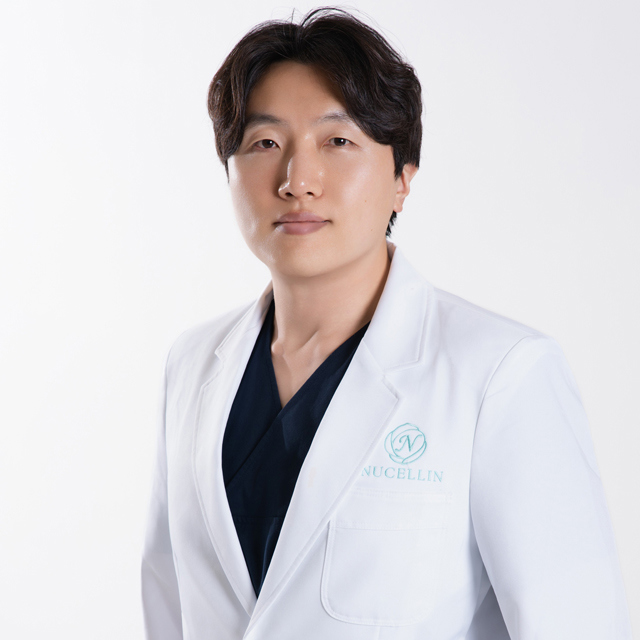
Dr. Heejun Kim, the clinic's Chief Director
Board-certified orthopedic surgeon
Dr. Heejun Kim, the clinic's Chief Director and a board-certified orthopedic surgeon trained at Yonsei University College of Medicine and Yonsei University Severance Hospital, personally oversees patient consultation, diagnosis, treatment planning, and the regenerative procedures involved in Activated PRF Therapy.
Who Is a Good Candidate for This Program?
Independent literature and the clinic's own material both indicate that PRF may be considered for patients with selected musculoskeletal conditions requiring regenerative support, including chronic tendon injuries, ligament injuries, cartilage defects, muscle injuries, and other orthopedic or sports-related soft tissue conditions, with suitability determined by a physician after clinical evaluation. Patients with active infection, severe blood disorders, certain coagulation disorders, or other physician-identified contraindications may not be suitable candidates, and individual assessment is required before proceeding.
How the Procedure Itself Works
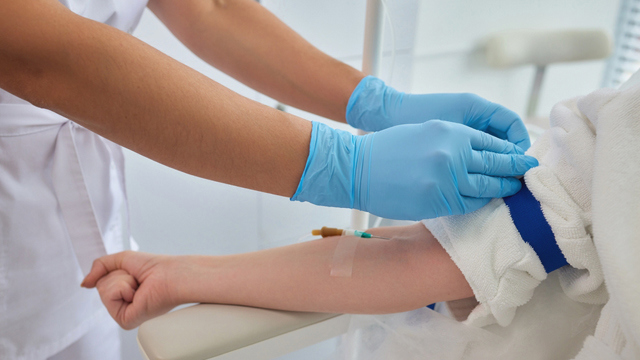
Blood collection. Blood is drawn from the patient without anticoagulants.
Centrifugation. The blood is processed by centrifugation to produce the platelet-rich fibrin matrix.
Sterile application. The PRF is placed or injected into the target tissue using sterile technique, as determined by the treating physician.
PRF procedures are commonly performed using local anesthesia or without anesthesia, depending on the treatment site and physician preference.
PRF Compared to Other Regenerative Options
Nucellin Orthopedic Clinic positions PRF as one of several orthobiologic treatments it offers, alongside PRP, bone marrow concentrate, and adipose-derived cell therapies, with the appropriate choice depending on the diagnosis. Independent literature distinguishes PRF from PRP primarily through its fibrin matrix structure: rather than releasing growth factors immediately as a liquid injection does, PRF's fibrin scaffold is understood to release growth factors gradually over an extended period — independent rotator cuff research specifically documented growth factor release for up to 28 days from a gel-type PRF matrix. PRF may be combined with rehabilitation, physical therapy, or other regenerative treatments depending on the clinical condition and physician judgment.
What to Expect
Stage | What the clinic states |
|---|---|
Preparation | Blood collected without anticoagulants, processed by centrifugation |
Delivery | Sterile placement/injection into target tissue |
Anesthesia | Local anesthesia or none, depending on site and physician preference |
Recovery | Most patients resume light daily activities shortly after treatment |
Independent evidence | Documented growth factor release up to 28 days (rotator cuff); improved vascularization index with no reported complications in arthroscopic repair studies |
Clinical improvement may occur gradually over weeks to months depending on the treated condition, and duration of benefit varies among patients and clinical indications. The need for additional sessions depends on the condition being treated and clinical response.
Why US and International Patients Consider This Program
International patients researching orthobiologic treatments generally want to understand how PRF differs mechanistically from PRP and other options, and value a physician-led evaluation of which specific regenerative approach fits their diagnosis. Nucellin Orthopedic Clinic frames this service around Dr. Kim personally overseeing consultation, diagnosis, and treatment planning. As with the clinic's other programs, independently verified US-patient testimonial evidence specific to this service is still pending internal confirmation, so prospective patients are encouraged to raise this directly at consultation.
International patients can use the clinic's online reservation system to arrange a consultation, and the clinic publishes its address, operating hours, and travel guidance, including an airport limousine bus route from Incheon International Airport, driving directions, and valet parking.
Safety, Precision, and Clinic Standards
Potential risks include temporary pain, swelling, bruising, bleeding, infection, or lack of clinical improvement; because PRF is autologous (from the patient's own blood), allergic reactions are uncommon.
Independent research on rotator cuff repair specifically reported no post-operative complications when PRF was added, alongside improved vascularization.
Patients are typically evaluated medically before treatment, including a review of medical history, medications, and treatment goals.
Nucellin Orthopedic Clinic is a Registered Medical Institution for Attracting Foreign Patients, certified by Korea's Ministry of Health and Welfare (Business Registration Number 252-08-03394).
Because this program is delivered under Korean, not US, medical regulation, this page does not imply FDA approval or clearance for any technique used at the clinic.
The Bottom Line
Activated PRF Therapy is an autologous fibrin-matrix platelet concentrate that gradually releases growth factors to support tissue healing, distinct from the more immediate release seen with PRP.
Independent research supports PRF's use across cartilage, rotator cuff, ACL-related, and tendon applications, with documented growth factor release for up to 28 days and improved vascularization in rotator cuff repair studies.
Researchers note that inconsistent preparation protocols across studies have produced some conflicting results, and standardized research is still developing.
PRF may be combined with rehabilitation, physical therapy, or other regenerative treatments based on physician judgment.
Candidacy and expected outcomes are confirmed during a consultation with Dr. Kim.
Frequently Asked Questions
Who is a good candidate for Activated PRF Therapy? Potential candidates may include individuals with chronic tendon injuries, ligament injuries, cartilage defects, muscle injuries, and other orthopedic or sports-related soft tissue conditions, with suitability determined by a physician after evaluating the patient's condition, medical history, and treatment goals.
Who should avoid or postpone PRF treatment? Activated PRF may not be suitable for patients with active infections, severe blood disorders, certain coagulation disorders, or other medical conditions identified as contraindications by the treating physician; individual assessment is required before proceeding.
Is PRF treatment painful? Treatment may involve discomfort related to blood collection and injection at the treatment site; the level of discomfort can vary depending on the treated area, individual pain sensitivity, and the physician's technique.
Can PRF be combined with another treatment? Yes — Activated PRF may be combined with rehabilitation, physical therapy, or other regenerative treatments depending on the patient's condition and physician judgment.
How is PRF different from PRP, also offered at Nucellin? PRF forms a solid fibrin matrix that gradually releases platelets, leukocytes, and growth factors over time, whereas PRP is a liquid preparation. Independent research has documented growth factor release from PRF for up to 28 days in rotator cuff applications, a slower-release profile than typically associated with liquid PRP injections.
Will the doctor or team speak my language? Yes — the clinic states an English-speaking team is available to support international patients.
What does independent research say about PRF's effectiveness? Independent studies report that PRF can promote healing in cartilage repair, rotator cuff surgery, and ACL-related procedures, with documented sustained growth factor release and improved vascularization in rotator cuff research. Researchers caution that inconsistent preparation protocols and dosing across studies have produced some conflicting findings, and further standardized trials are needed to fully confirm these benefits.
What result cannot be guaranteed with PRF? PRF outcomes cannot be guaranteed because results vary depending on the patient's condition, extent of tissue damage, individual healing response, and other patient-specific factors.
Do I need a referral before starting Activated PRF Therapy? Nucellin Orthopedic Clinic's process begins directly with a physician consultation with Dr. Kim, who personally oversees diagnosis and treatment planning; the clinic's published material does not describe a referral requirement, though international patients are encouraged to confirm current intake steps when booking.
Is PRF used as a standalone treatment or alongside surgery? Independent literature describes both roles: PRF as a standalone injection for conditions like tendinopathy or early cartilage degeneration, and as a surgical adjunct during procedures such as arthroscopic rotator cuff repair. The evidence supporting each role differs, and which application applies to your treatment should be confirmed directly with Dr. Kim.
Book a Consultation at Nucellin Orthopedic Clinic
To discuss whether Activated PRF Therapy is right for your condition, book a consultation with Dr. Heejun Kim at Nucellin Orthopedic Clinic, or learn more about the clinic and Dr. Kim beforehand.
Disclaimer
This page is for general informational purposes and does not constitute individualized medical advice. Candidacy, technique, and expected outcomes can only be determined through a consultation with a qualified physician.
Sources & Further Reading
Other Services
Explore additional treatments offered by our specialists.
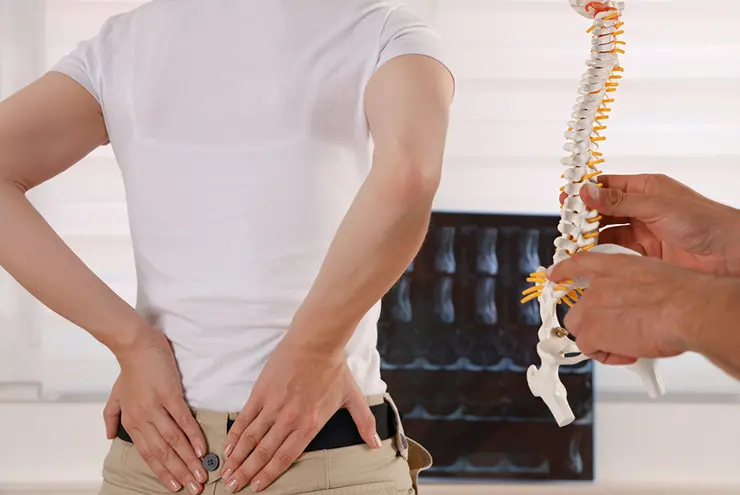
QMR Regenerative Manual Therapy
QMR Regenerative Manual Therapy at Nucellin Orthopedic Clinic combines Telea Medical's QMR (Quantum Molecular Resonance) technology, sourced from Italy, with hands-on manual therapy as part of the clinic's regenerative joint and spine treatment program.
Learn More
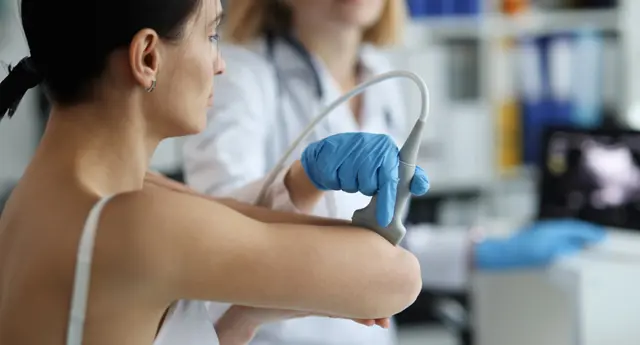
Musculoskeletal Ultrasound Evaluation
Musculoskeletal Ultrasound Evaluation is used by Nucellin Orthopedic Clinic as part of its musculoskeletal assessment process, providing real-time, non-invasive imaging of muscles, tendons, ligaments, nerves, and joints using the clinic's Philips EPIQ 5.
Learn More
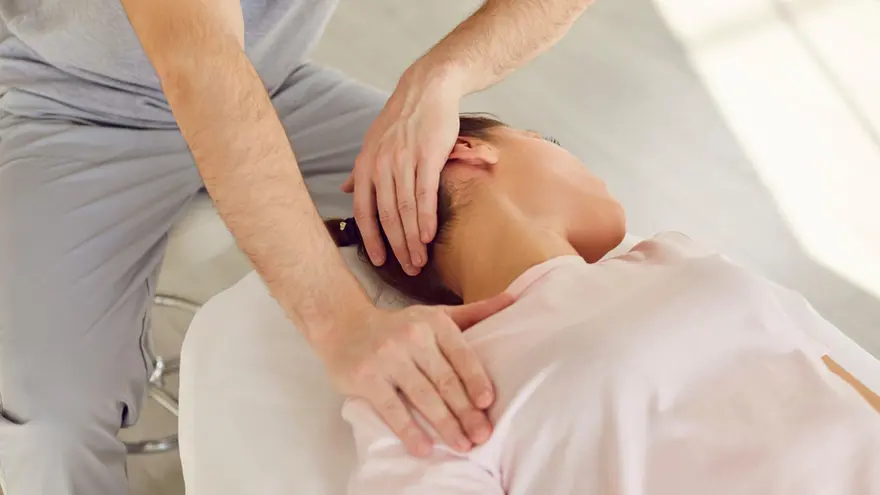
Personalized Rehabilitation Therapy
Personalized Rehabilitation Therapy at Nucellin Orthopedic Clinic combines physician-directed diagnosis with Telea Medical QMR (Quantum Molecular Resonance) technology and hands-on manual therapy.
Learn More