Personalized Medical Care & Dedicated International Patient Concierge


Stem Cell & Biologic Regenerative Medicine · Needs Clinic Confirmation
Bone Marrow-Derived Stem Cell Therapy
Bone Marrow-Derived Stem Cell Therapy at Nucellin Orthopedic Clinic extracts hematopoietic stem cells from blood or bone marrow and transplants them directly into damaged tissue.
Schedule a ConsultationBone Marrow Stem Cell Therapy (BMAC) in Seoul

Medically reviewed by Dr. Heejun Kim, Board-Certified Orthopedic Surgeon, Chief Director, Nucellin Orthopedic Clinic · Nucellin Orthopedic Clinic, Seoul
Bone Marrow-Derived Stem Cell Therapy at Nucellin Orthopedic Clinic extracts hematopoietic stem cells from blood or bone marrow and transplants them directly into damaged tissue, where the clinic states they differentiate into new tissue cells for more fundamental regeneration and repair.
What Is Bone Marrow-Derived Stem Cell Therapy?
Nucellin Orthopedic Clinic states that blood-derived stem cell therapy involves extracting hematopoietic stem cells from blood or bone marrow and transplanting them directly into damaged tissue. The clinic explains that, unlike growth-factor-based treatments, these stem cells differentiate into new tissue cells, leading to more fundamental regeneration and repair rather than simply stimulating the body's existing healing pathways. Patients may seek this regenerative treatment for tissue repair, chronic musculoskeletal pain, and functional recovery as a non-surgical regenerative option.
What Independent Evidence Says
Bone marrow aspirate concentrate (BMAC) — an autologous regenerative therapy enriched with mesenchymal stem cells and bioactive growth factors — has been studied specifically for knee osteoarthritis, offering the closest independent evidence match to Nucellin's own bone marrow-derived approach. A recent systematic review of randomized controlled trials included eight studies covering a combined 937 patients, finding that patients treated with BMAC showed significant improvement in clinical scores compared with baseline, beginning as early as one month post-injection. The independent literature describes BMAC as providing short- to mid-term symptomatic relief and functional improvement, with some studies suggesting a potential to delay total knee arthroplasty (total knee replacement) in appropriate candidates. Mechanistically, independent research indicates that BMAC — compared with conventional intra-articular treatments including hyaluronic acid, PRP, and corticosteroids — promotes cartilage regeneration, modulates inflammation, and enhances subchondral bone remodeling, consistent with Nucellin's own description of stem cells differentiating into new tissue rather than only reducing symptoms.
The independent evidence base also identifies important limitations worth understanding: findings across studies remain somewhat inconsistent, long-term efficacy relative to PRP or other regenerative options is not yet firmly established, and variability in BMAC preparation methods, injection protocols (single versus repeated administration, intra-articular versus subchondral delivery), and patient selection criteria complicates comparison across clinics and studies. Independent researchers have called for larger, standardized, multicenter trials with longer follow-up to confirm BMAC's sustained efficacy. This evidence specifically concerns bone marrow aspirate concentrate for knee osteoarthritis rather than Nucellin's own outcomes across all the conditions it treats with this therapy, which have not been independently verified for this page.
Understanding BMAC's Preparation Process

Independent research describes bone marrow aspirate concentrate as an autologous therapy — meaning it is prepared from the patient's own tissue rather than a donor source — enriched with mesenchymal stem cells and bioactive growth factors extracted from bone marrow, most commonly harvested from the iliac crest (hip bone). The bone marrow aspirate is then concentrated, typically through centrifugation, to increase the density of stem cells and growth factors relative to a standard bone marrow sample before it is delivered to the treatment site. This preparation step is what distinguishes BMAC from a simple bone marrow injection: the concentration process is intended to deliver a therapeutically meaningful density of regenerative cells rather than a diluted sample. Nucellin Orthopedic Clinic's own published material does not detail its specific bone marrow harvesting site, concentration method, or laboratory protocol; patients considering this therapy are encouraged to ask Dr. Kim directly about these technical specifics, since independent research notes that variability in exactly these factors — preparation method, concentration ratio, and delivery protocol — is one of the main reasons study outcomes have been inconsistent across different centers.
Where the Evidence Is Strongest, and Where Caution Is Warranted
The clearest independent evidence for BMAC concerns knee osteoarthritis specifically, where the systematic review discussed above found consistent, statistically significant improvement from baseline across a meaningful sample size (937 patients). This is a genuinely favorable independent signal. At the same time, independent researchers are candid that BMAC's evidence base has real limits: the same review notes that findings remain somewhat inconsistent from study to study, that BMAC's long-term efficacy compared with alternatives like PRP or autologous conditioned serum has not been firmly established, and that a lack of standardized preparation and injection protocols makes direct comparison across studies and clinics difficult. Separate expert-opinion literature on BMAC's clinical use echoes this same conclusion: short-to-mid-term benefit is reasonably well supported, but the field is still working toward standardized guidelines that would let patients and physicians compare outcomes more reliably across different bone marrow concentration techniques and injection approaches. This is a mature, honest picture of where a genuinely promising regenerative therapy currently stands — real evidence of benefit, alongside real unresolved questions about optimal protocol.
Who Performs This at Nucellin Orthopedic Clinic
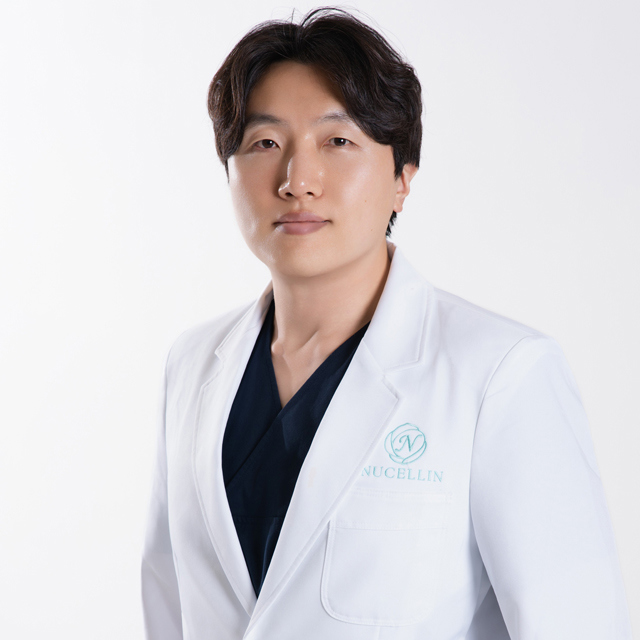
Dr. Heejun Kim, the clinic's Chief Director
Board-certified orthopedic surgeon
Dr. Heejun Kim, the clinic's Chief Director and a board-certified orthopedic surgeon trained at Yonsei University College of Medicine and Yonsei University Severance Hospital, personally oversees consultation, precision diagnosis, treatment planning, and the key regenerative procedures involved in bone marrow-derived stem cell therapy.
Who Is a Good Candidate for This Program?

Patients may seek Bone Marrow-Derived Stem Cell Therapy for tissue repair, chronic musculoskeletal pain, and functional recovery as a non-surgical regenerative option. Independent systematic-review evidence specifically supports BMAC for knee osteoarthritis, with symptomatic and functional improvement beginning within the first month after treatment — a useful independent reference point, though the clinic's published material does not specify detailed candidacy or exclusion criteria for its own service beyond the general tissue-repair and chronic-pain framing. This is assessed individually at consultation.
How This Differs From the Clinic's Other Regenerative Options
Nucellin Orthopedic Clinic explicitly compares PRP with blood-derived stem cell therapy: PRP delivers growth factors to stimulate the body's healing response, whereas stem cell therapy transplants cells that differentiate into new tissue cells for what the clinic describes as more fundamental regeneration and repair. Independent research on BMAC mechanistically supports this distinction, describing bone marrow-derived cell therapies as promoting cartilage regeneration and subchondral bone remodeling in ways that differ from the more purely biochemical stimulation associated with PRP, hyaluronic acid, or corticosteroid injections. The clinic also states that QMR therapy can be combined with stem cell therapy to maximize regenerative synergy and recovery, positioning bone marrow-derived stem cell therapy as one component within a broader, individualized regenerative treatment plan.
What to Expect
Stage | What the clinic states |
|---|---|
Diagnosis | Personally overseen by the chief director — consultation, precision diagnosis, and treatment planning |
Source | Hematopoietic stem cells extracted from blood or bone marrow |
Mechanism | Cells differentiate into new tissue cells for fundamental regeneration, per the clinic |
Combination options | May be combined with QMR therapy to maximize regenerative synergy |
Independent evidence (BMAC, knee OA) | Significant improvement from baseline starting at 1 month; short-to-mid-term relief; some studies suggest potential to delay total knee replacement |
Nucellin Orthopedic Clinic's published material does not specify anesthesia details, a detailed recovery timeline, specific pre- and post-treatment instructions, or exact long-term results data for this service; independent research also notes that long-term efficacy compared with other regenerative options is not yet firmly established. These specifics are addressed individually at consultation.
Why US and International Patients Consider This Program
International patients researching bone marrow-derived stem cell therapy generally want an honest picture of where independent evidence is strongest (short-to-mid-term relief for knee osteoarthritis) versus where it remains less settled (long-term comparative efficacy), alongside a physician-led diagnostic process. Nucellin Orthopedic Clinic frames this service around Dr. Kim personally overseeing consultation, diagnosis, and treatment planning. As with the clinic's other programs, independently verified US-patient testimonial evidence specific to this service is still pending internal confirmation, so prospective patients are encouraged to raise this directly at consultation.
International patients can use the clinic's online reservation system to arrange a consultation, and the clinic publishes its address, operating hours, and travel guidance, including an airport limousine bus route from Incheon International Airport, driving directions, and valet parking.
Safety, Precision, and Clinic Standards

Nucellin Orthopedic Clinic states that the representative director personally manages diagnosis, treatment design, and key procedures, using clinical experience and personalized strategies to support tissue regeneration and functional recovery.
Independent systematic-review evidence on BMAC for knee osteoarthritis (937 patients across 8 RCTs) reports significant clinical improvement from baseline, though findings across individual studies remain somewhat inconsistent.
Nucellin Orthopedic Clinic is a Registered Medical Institution for Attracting Foreign Patients, certified by Korea's Ministry of Health and Welfare (Business Registration Number 252-08-03394).
The clinic's published material does not specify a detailed complication rate specific to its own bone marrow-derived stem cell patients; this is reviewed individually before treatment.
Because this program is delivered under Korean, not US, medical regulation, this page does not imply FDA approval or clearance for any technique used at the clinic.
Independent research notes that the lack of standardized BMAC preparation and injection protocols across the field makes direct outcome comparisons between clinics difficult; patients are encouraged to ask Dr. Kim directly about the specific protocol used at Nucellin.
The Bottom Line
Bone Marrow-Derived Stem Cell Therapy extracts hematopoietic stem cells from blood or bone marrow and transplants them into damaged tissue, aiming for more fundamental regeneration than growth-factor-based treatments alone.
Independent systematic-review evidence (937 patients, 8 RCTs) supports significant short-to-mid-term clinical improvement for knee osteoarthritis specifically, beginning within the first month, with some studies suggesting a potential to delay total knee replacement.
Long-term comparative efficacy against PRP and other regenerative options is not yet firmly established in the independent literature, and preparation methods and protocols vary across clinics and studies.
Treatment may be combined with QMR therapy as part of an individualized regenerative plan.
Candidacy and expected outcomes are confirmed during a consultation with Dr. Kim, including the specific harvesting and preparation protocol used.
Frequently Asked Questions
Who is a good candidate for Bone Marrow-Derived Stem Cell Therapy? Patients may seek this therapy for tissue repair, chronic musculoskeletal pain, and functional recovery as a non-surgical regenerative option; independent evidence specifically supports its use for knee osteoarthritis.
How does the clinic reduce risk during treatment? The chief director personally oversees consultation, precision diagnosis, treatment planning, and the key regenerative procedures involved.
Can this be combined with another treatment? The clinic states that QMR therapy can be combined with stem cell therapy to maximize regenerative synergy and recovery.
How is this different from PRP, also offered at Nucellin? The clinic explains that PRP delivers growth factors to stimulate healing, whereas bone marrow-derived stem cell therapy transplants cells that differentiate into new tissue cells for more fundamental regeneration and repair — a distinction supported mechanistically by independent research on BMAC's effects on cartilage and subchondral bone.
Will the doctor or team speak my language? Yes — the clinic states an English-speaking team is available to support international patients.
What does independent research say about BMAC's effectiveness? A systematic review of 8 randomized controlled trials (937 patients) found significant clinical improvement from baseline beginning at one month post-injection, with short-to-mid-term symptomatic and functional benefit, and some studies suggesting a potential to delay total knee replacement. The evidence base still has notable limitations, including inconsistent findings across studies and variability in preparation and injection protocols.
Is BMAC better than PRP for knee osteoarthritis? Independent research notes that long-term efficacy of BMAC compared with PRP or other regenerative options is not yet firmly established, and that preparation methods and study designs vary considerably. This comparison is best discussed directly with Dr. Kim in the context of your specific diagnosis.
Where is bone marrow typically harvested from for BMAC? Independent literature commonly describes the iliac crest (hip bone) as the typical harvest site for bone marrow aspirate used in BMAC preparations, given its accessibility and marrow density. Nucellin Orthopedic Clinic's published material does not specify its own harvesting site or technique; this is a reasonable detail to confirm directly with Dr. Kim.
Can BMAC delay the need for knee replacement surgery? Some independent studies included in systematic-review evidence suggest BMAC may have the potential to delay total knee arthroplasty (total knee replacement) in appropriate candidates, though this is described as a possibility supported by some research rather than a guaranteed outcome, and depends on the severity and progression of the individual patient's condition.
Is BMAC only used for knee osteoarthritis? The strongest independent evidence base for BMAC concerns knee osteoarthritis specifically. Nucellin Orthopedic Clinic frames its bone marrow-derived stem cell therapy more broadly, for tissue repair, chronic musculoskeletal pain, and functional recovery generally; independent evidence for other specific conditions has not been reviewed for this page and should be discussed with Dr. Kim.
What results are realistic? Nucellin Orthopedic Clinic states that its stem cell program aims to support damaged tissue regeneration, pain reduction, joint function recovery, and long-term functional maintenance, noting that individual results may vary. Independent evidence supports meaningful short-to-mid-term improvement for knee osteoarthritis specifically; results for other conditions treated with this therapy have not been independently reviewed for this page.
Do I need a referral before starting Bone Marrow-Derived Stem Cell Therapy? Nucellin Orthopedic Clinic's process begins directly with a physician consultation with Dr. Kim, who personally oversees diagnosis and treatment planning; the clinic's published material does not describe a referral requirement, though international patients are encouraged to confirm current intake steps when booking.
Book a Consultation at Nucellin Orthopedic Clinic
To discuss whether Bone Marrow-Derived Stem Cell Therapy is right for your condition, book a consultation with Dr. Heejun Kim or learn more about the clinic and Dr. Kim beforehand.
Disclaimer
This page is for general informational purposes and does not constitute individualized medical advice. Candidacy, technique, and expected outcomes can only be determined through a consultation with a qualified physician, who can also confirm the specific bone marrow harvesting and concentration protocol used for a given patient's treatment.
Sources & Further Reading
Other Services
Explore additional treatments offered by our specialists.

QMR Regenerative Manual Therapy
QMR Regenerative Manual Therapy at Nucellin Orthopedic Clinic combines Telea Medical's QMR (Quantum Molecular Resonance) technology, sourced from Italy, with hands-on manual therapy as part of the clinic's regenerative joint and spine treatment program.
Learn More
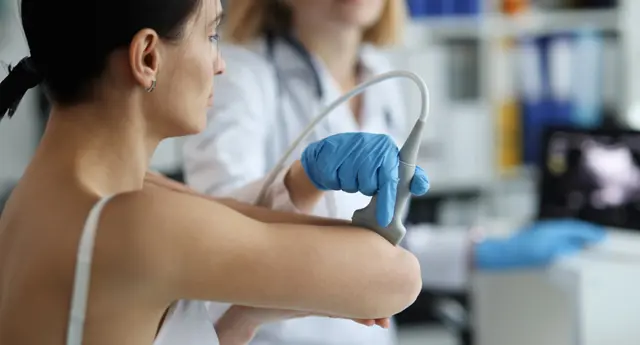
Musculoskeletal Ultrasound Evaluation
Musculoskeletal Ultrasound Evaluation is used by Nucellin Orthopedic Clinic as part of its musculoskeletal assessment process, providing real-time, non-invasive imaging of muscles, tendons, ligaments, nerves, and joints using the clinic's Philips EPIQ 5.
Learn More

Personalized Rehabilitation Therapy
Personalized Rehabilitation Therapy at Nucellin Orthopedic Clinic combines physician-directed diagnosis with Telea Medical QMR (Quantum Molecular Resonance) technology and hands-on manual therapy.
Learn More