Personalized Medical Care & Dedicated International Patient Concierge


Hyperbaric & Systemic Regenerative Therapy · Needs Clinic Confirmation
Extracorporeal Photonic Therapy
Extracorporeal Photonic Therapy at Nucellin Orthopedic Clinic circulates the patient's blood outside the body and exposes it to specific wavelengths of light using the clinic's Corage 2.0 photonic device.
Schedule a ConsultationExtracorporeal Photonic Therapy in Seoul

Medically reviewed by Dr. Heejun Kim, Board-Certified Orthopedic Surgeon, Chief Director, Nucellin Orthopedic Clinic · Nucellin Orthopedic Clinic, Seoul
Extracorporeal Photonic Therapy at Nucellin Orthopedic Clinic circulates the patient's blood outside the body and exposes it to specific wavelengths of light using the clinic's Corage 2.0 photonic device, intended to activate cells, support immune function, and promote natural healing.
What Is Extracorporeal Photonic Therapy?
Nucellin Orthopedic Clinic describes Extracorporeal Photonic Therapy as a process in which blood is circulated outside the body and exposed to special light energy (photons) using the Corage 2.0 device. According to the clinic, this activates cells, strengthens the immune system, and revitalizes the body. In the broader medical literature, this general category of treatment is referred to as extracorporeal photobiomodulation or light-based therapy, using specific wavelengths of light delivered outside the body to influence cellular activity — proposed to enhance mitochondrial function, increase ATP production, modulate inflammation, and support tissue repair, without ionizing radiation or thermal tissue destruction.
What Independent Evidence Says — and an Important Distinction
Independent, peer-reviewed research on photobiomodulation's effects on blood cells exists and is directly relevant context here. A study published in Scientific Reports examined the impact of photobiomodulation therapy on the pro-inflammatory functionality of human peripheral blood mononuclear cells, providing preliminary independent evidence on how light-based therapy may influence immune-cell inflammatory activity — a mechanism consistent with the clinic's own stated rationale of activating cells and supporting immune function.
It is important to distinguish this from a separate, clinically established category called extracorporeal photopheresis (ECP), which is FDA-approved specifically for cutaneous T-cell lymphoma and is also used for graft-versus-host disease and certain transplant-rejection conditions. ECP is a distinct medical procedure that combines a photosensitizing drug (methoxsalen) with ultraviolet-A light exposure of leukapheresed white blood cells, and is supported by substantial evidence — systematic reviews report pooled response rates of 64% to 82% for steroid-refractory chronic graft-versus-host disease specifically. This is a mechanistically and clinically different treatment from Nucellin's general wellness-oriented Extracorporeal Photonic Therapy, which does not use a photosensitizing drug and is not indicated for cancer or transplant-related conditions. This page does not treat ECP's disease-specific evidence as applicable to Nucellin's own Corage 2.0-based service, and patients should not confuse the two; the more directly relevant independent evidence for Nucellin's service is the preliminary photobiomodulation research on blood cell function referenced above, which represents an earlier-stage evidence base than ECP's.
Understanding Photobiomodulation's Proposed Mechanism
Independent literature on photobiomodulation describes its proposed cellular mechanism as centering on mitochondrial function: specific wavelengths of light are thought to be absorbed by mitochondrial chromophores (light-sensitive molecules within cells), which may increase ATP (cellular energy) production, modulate the generation of reactive oxygen species, and influence downstream signaling pathways related to inflammation and tissue repair — all without the ionizing radiation or thermal tissue destruction associated with other light-based or radiation therapies. Applied to blood outside the body, as in Nucellin's Corage 2.0-based service, this proposed mechanism would act on circulating immune cells and other blood components before they are returned to the patient, consistent with the clinic's own framing of "activating cells" and "strengthening the immune system." The preliminary Scientific Reports research on peripheral blood mononuclear cells discussed above specifically examined this cellular-level effect on inflammatory functionality, offering an early empirical link between the proposed mechanism and a measurable biological outcome, though the authors describe their own findings as a preliminary study rather than a definitive clinical trial.
Who Performs This at Nucellin Orthopedic Clinic
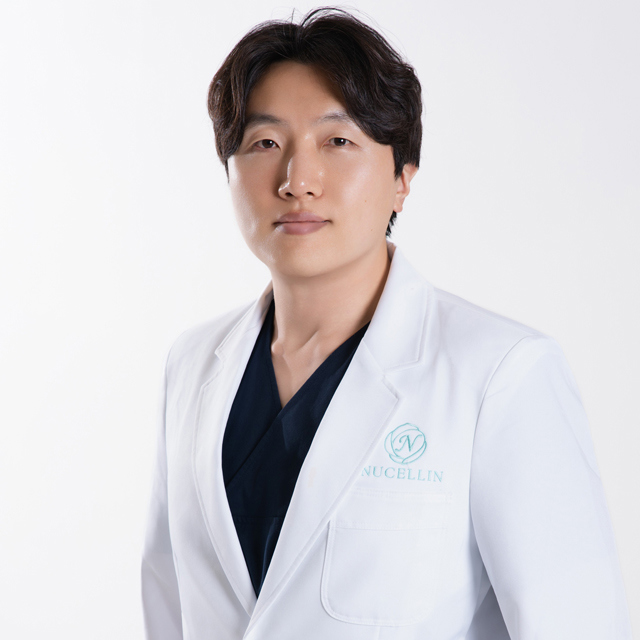
Dr. Heejun Kim, the clinic's Chief Director
Board-certified orthopedic surgeon
Nucellin Orthopedic Clinic provides Extracorporeal Photonic Therapy as a physician-directed regenerative treatment that uses photonic energy to stimulate natural cellular activity and support the body's healing processes without surgery, under the direction of Dr. Heejun Kim, the clinic's Chief Director and a board-certified orthopedic surgeon trained at Yonsei University College of Medicine and Yonsei University Severance Hospital.
Who Is a Good Candidate for This Program?
Extracorporeal Photonic Therapy is presented by Nucellin Orthopedic Clinic for patients seeking regenerative support through improved cellular activity, immune function, circulation, and overall vitality. In the broader literature, photobiomodulation may be considered for selected patients with musculoskeletal pain, soft-tissue injuries, tendon disorders, delayed wound healing, or inflammatory conditions after clinical evaluation, with suitability depending on the patient's diagnosis, treatment goals, and physician assessment. The clinic's published material does not specify who should avoid or postpone treatment; this is assessed individually at consultation.
How the Procedure Itself Works
According to the clinic, blood is circulated outside the body and irradiated with special light energy (photons) using the Corage 2.0 device. This process is presented as a non-surgical regenerative treatment, and the clinic does not state that the treatment is painful.
How This Differs From the Clinic's Other Systemic Therapy

According to the clinic, Extracorporeal Photonic Therapy works by circulating blood outside the body and exposing it to photonic (light) energy to activate cells and strengthen immunity, whereas Hyperbaric Oxygen Therapy differs by increasing oxygen delivery to tissues under increased atmospheric pressure. The clinic presents Extracorporeal Photonic Therapy as part of its regenerative medicine program and indicates it can be incorporated into comprehensive regenerative treatment plans, though no specific combination protocols are provided.
What to Expect
Stage | What the clinic states |
|---|---|
Technology | Corage 2.0 photonic device, circulating blood outside the body for light-based cellular therapy |
Delivery | Blood circulated outside the body and exposed to photonic (light) energy |
Sensation | Non-surgical; not stated to be painful |
Independent evidence | Preliminary research on photobiomodulation's effects on peripheral blood mononuclear cell inflammatory function |
Distinct from | Extracorporeal photopheresis (ECP) — a different, drug-based, FDA-approved procedure for specific cancers and transplant conditions |
Nucellin Orthopedic Clinic's published material does not specify a detailed recovery timeline, exact session count, or specific pre- and post-treatment instructions for this service; these are addressed individually at consultation.
Why US and International Patients Consider This Program
International patients researching light-based blood therapy generally want clarity on what is and is not independently established, and specifically want to avoid confusing a wellness-oriented photobiomodulation service with the clinically distinct, FDA-approved photopheresis procedure used for serious hematologic conditions. Nucellin Orthopedic Clinic frames this service as part of its broader physician-directed regenerative program. As with the clinic's other programs, independently verified US-patient testimonial evidence specific to this service is still pending internal confirmation, so prospective patients are encouraged to raise this directly at consultation.
International patients can use the clinic's online reservation system to arrange a consultation, and the clinic publishes its address, operating hours, and travel guidance, including an airport limousine bus route from Incheon International Airport, driving directions, and valet parking.
Safety, Precision, and Clinic Standards

Nucellin Orthopedic Clinic provides Extracorporeal Photonic Therapy as a physician-directed regenerative treatment that uses photonic energy to stimulate natural cellular activity and support the body's healing processes without surgery.
Independent literature describes photobiomodulation generally as non-invasive with a low incidence of adverse effects when appropriate treatment parameters are used, with reported side effects typically mild (temporary redness, warmth, or transient discomfort at the treatment site).
This service is mechanistically distinct from extracorporeal photopheresis (ECP), an FDA-approved, drug-based procedure for specific cancers and transplant conditions; the two should not be conflated when evaluating evidence.
Nucellin Orthopedic Clinic is a Registered Medical Institution for Attracting Foreign Patients, certified by Korea's Ministry of Health and Welfare (Business Registration Number 252-08-03394).
Because this program is delivered under Korean, not US, medical regulation, this page does not imply FDA approval or clearance for any device used at the clinic.
The Bottom Line
Extracorporeal Photonic Therapy circulates blood outside the body and exposes it to light energy via the Corage 2.0 device, intended to activate cells and support immune function and circulation.
This is mechanistically distinct from extracorporeal photopheresis (ECP), a different, drug-based, FDA-approved procedure for cancer and transplant-related conditions — a distinction worth understanding clearly.
Preliminary independent research on photobiomodulation's effects on blood-cell inflammatory function offers early, relevant supporting evidence, though this remains an earlier-stage evidence base.
Treatment is positioned within the clinic's broader Hyperbaric & Systemic Regenerative Therapy program, alongside HBOT.
Candidacy and expected outcomes are confirmed during a consultation with Dr. Kim.
Frequently Asked Questions
Who is a good candidate for Extracorporeal Photonic Therapy? The clinic presents this therapy for patients seeking regenerative support through improved cellular activity, immune function, circulation, and overall vitality.
Is Extracorporeal Photonic Therapy painful? The clinic presents it as a non-surgical regenerative treatment and does not state that the treatment is painful.
How does the clinic reduce risk during treatment? Nucellin Orthopedic Clinic provides Extracorporeal Photonic Therapy as a physician-directed regenerative treatment using photonic energy to stimulate natural cellular activity and support the body's healing processes without surgery.
Can this be combined with another treatment? The clinic presents Extracorporeal Photonic Therapy as part of its regenerative medicine program and indicates it can be incorporated into comprehensive regenerative treatment plans, though no specific combination protocols are provided.
Is this the same as extracorporeal photopheresis (ECP), which I've read is FDA-approved? No. ECP is a distinct, drug-based procedure (using methoxsalen plus UV-A light) that is FDA-approved specifically for cutaneous T-cell lymphoma and used for graft-versus-host disease and transplant rejection, with systematic-review response rates of 64–82% reported for steroid-refractory chronic GVHD. Nucellin's Extracorporeal Photonic Therapy does not use a photosensitizing drug and is a general wellness-oriented regenerative service, not a treatment for these specific serious conditions. The two should not be confused when evaluating the evidence.
How is this different from Hyperbaric Oxygen Therapy, also offered at Nucellin? Extracorporeal Photonic Therapy works by circulating blood outside the body and exposing it to photonic (light) energy to activate cells and strengthen immunity, while Hyperbaric Oxygen Therapy increases oxygen delivery to tissues under increased atmospheric pressure.
Will the doctor or team speak my language? Yes — the clinic states an English-speaking team is available to support international patients.
What does independent research say about photobiomodulation's effects on blood cells? A study published in Scientific Reports examined photobiomodulation's impact on the pro-inflammatory functionality of human peripheral blood mononuclear cells, providing preliminary evidence relevant to the clinic's stated goal of activating cells and supporting immune function — though this is described as a preliminary study, and broader clinical trial evidence specific to whole-blood extracorporeal photonic therapy for general wellness applications remains limited.
Do I need a referral before starting Extracorporeal Photonic Therapy? Nucellin Orthopedic Clinic's process begins directly with a physician consultation; the clinic's published material does not describe a referral requirement, though international patients are encouraged to confirm current intake steps when booking.
Book a Consultation at Nucellin Orthopedic Clinic
To discuss whether Extracorporeal Photonic Therapy is right for you, book a consultation with Dr. Heejun Kim at Nucellin Orthopedic Clinic, or learn more about the clinic and Dr. Kim beforehand.
Disclaimer
This page is for general informational purposes and does not constitute individualized medical advice. Candidacy, technique, and expected outcomes can only be determined through a consultation with a qualified physician, who can also clarify how this service differs from other light- or blood-based therapies you may have researched.
Sources & Further Reading
Other Services
Explore additional treatments offered by our specialists.

QMR Regenerative Manual Therapy
QMR Regenerative Manual Therapy at Nucellin Orthopedic Clinic combines Telea Medical's QMR (Quantum Molecular Resonance) technology, sourced from Italy, with hands-on manual therapy as part of the clinic's regenerative joint and spine treatment program.
Learn More
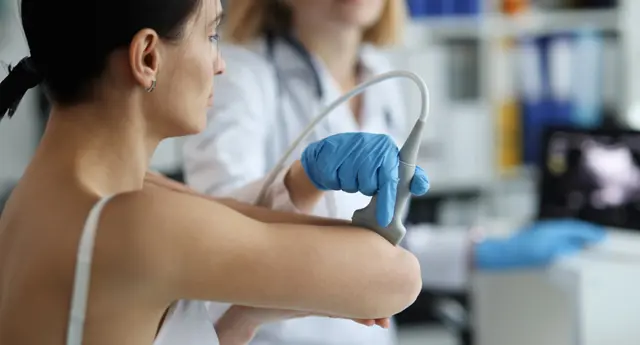
Musculoskeletal Ultrasound Evaluation
Musculoskeletal Ultrasound Evaluation is used by Nucellin Orthopedic Clinic as part of its musculoskeletal assessment process, providing real-time, non-invasive imaging of muscles, tendons, ligaments, nerves, and joints using the clinic's Philips EPIQ 5.
Learn More

Personalized Rehabilitation Therapy
Personalized Rehabilitation Therapy at Nucellin Orthopedic Clinic combines physician-directed diagnosis with Telea Medical QMR (Quantum Molecular Resonance) technology and hands-on manual therapy.
Learn More