Personalized Medical Care & Dedicated International Patient Concierge

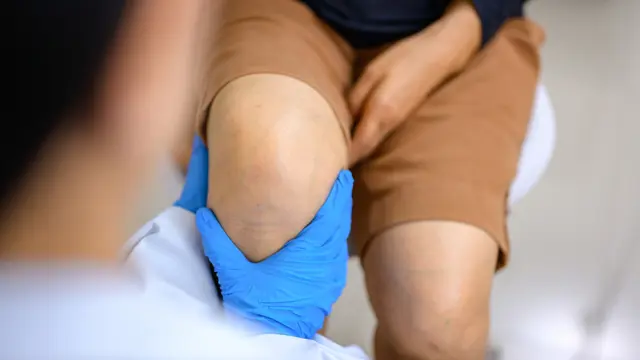
Regenerative Joint & Spine Treatment · Needs Clinic Confirmation
PRP (Platelet-Rich Plasma)
PRP (Platelet-Rich Plasma) Joint Injection Therapy is a regenerative treatment offered at Nucellin Orthopedic Clinic in which platelet-rich plasma is separated from the patient's own blood and injected into damaged joint.
Schedule a ConsultationPRP Joint Injection Therapy in Seoul
Medically reviewed by Dr. Heejun Kim, Board-Certified Orthopedic Surgeon, Chief Director, Nucellin Orthopedic Clinic · Nucellin Orthopedic Clinic, Seoul
PRP (Platelet-Rich Plasma) Joint Injection Therapy is a regenerative treatment offered at Nucellin Orthopedic Clinic in which platelet-rich plasma is separated from the patient's own blood and injected into damaged joint or tendon tissue to deliver concentrated growth factors that support tissue regeneration and recovery.
What Is PRP Joint Injection Therapy?
Nucellin Orthopedic Clinic describes PRP as a service under its Regenerative Joint & Spine Treatment program. Blood is drawn from the patient, then processed to separate platelet-rich plasma from other blood components; this concentrated plasma is then injected into the damaged or injured area. The clinic explains that platelets contain numerous growth factors that play an important role in tissue regeneration and recovery, and that PRP therapy works by delivering these growth factors directly to injured tissue to stimulate the body's natural healing response, reduce inflammation, and support recovery.
Because PRP is prepared from the patient's own blood, it is classified as an autologous, non-surgical regenerative treatment rather than a synthetic drug or foreign biologic material.
What Independent Evidence Says
The American Academy of Orthopaedic Surgeons' patient-education resource, OrthoInfo, provides a useful independent reference point for what PRP is and where the evidence currently stands. According to OrthoInfo, PRP is plasma with a platelet concentration 5 to 10 times greater than typically found in blood, prepared by drawing blood, separating platelets by centrifugation, and injecting the concentrated preparation into the injured site. Independent research summarized by OrthoInfo indicates that PRP appears effective for certain chronic tendon injuries — particularly lateral epicondylitis (tennis elbow) — and that a growing body of literature shows meaningful effectiveness for low- to moderate-grade knee osteoarthritis, with some studies showing benefits lasting up to two years. OrthoInfo also notes more mixed or limited evidence in other applications: PRP has shown little to no clear benefit when used during rotator cuff or ACL surgical repairs, and evidence in acute ligament and muscle injuries and in fracture healing remains preliminary. OrthoInfo further notes that risks are generally minimal — mainly temporary increased pain at the injection site — and comparable to those associated with cortisone injections.
This independent picture is broadly consistent with what Nucellin Orthopedic Clinic describes about its own PRP service, though the clinic's own outcomes data for its specific patient population is not something this page can independently verify. Patients considering PRP for a specific joint or tendon condition should discuss the current evidence for that specific application directly with Dr. Kim.
A Closer Look at Where the Independent Evidence Stands
PRP has received significant public attention — OrthoInfo notes that well-known athletes, including golfer Tiger Woods and tennis player Rafael Nadal, have received PRP treatment for injuries such as sprained knees and chronic tendon problems, conditions that have traditionally been treated with medication, physical therapy, or surgery. That visibility, however, is worth separating from the specific evidence base. OrthoInfo also describes an important technical distinction within PRP itself: preparations can be "leukocyte-rich" (a white blood cell count above that of whole blood) or "leukocyte-poor" (below that of whole blood), and independent research has not yet determined which type produces better outcomes for which condition — a nuance that affects how PRP is prepared and used across different clinics and conditions.
For knee osteoarthritis specifically, OrthoInfo describes a growing and increasingly favorable body of literature, with some studies reporting benefits lasting up to two years for low- to moderate-grade disease. For chronic tendon injuries, the clearest and most consistent evidence relates to lateral epicondylitis (tennis elbow), while evidence for other chronic tendon conditions — such as Achilles tendinitis or patellar tendinopathy (jumper's knee) — is described as promising but not yet established as clearly superior to traditional treatment. For acute ligament and muscle injuries, and for use during rotator cuff or ACL surgical repair, OrthoInfo reports that current evidence shows little to no clear additional benefit, and research on PRP for fracture healing remains limited with no significant benefit demonstrated so far. Patients considering PRP for a specific joint, tendon, or ligament concern should discuss which category their condition falls into directly with Dr. Kim, since the strength of the evidence varies meaningfully by application.
Who Performs This at Nucellin Orthopedic Clinic
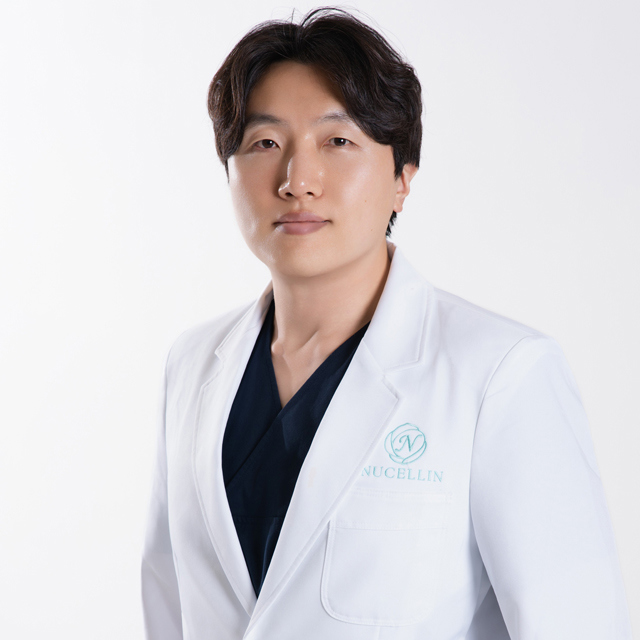
Dr. Heejun Kim, the clinic's Chief Director
Board-certified orthopedic surgeon
Dr. Heejun Kim, the clinic's Chief Director and a board-certified orthopedic surgeon trained at Yonsei University College of Medicine and Yonsei University Severance Hospital, personally oversees consultation, diagnosis, treatment planning, and the PRP procedure itself, using individualized treatment strategies for each patient.
Who Is a Good Candidate for This Program?
Nucellin Orthopedic Clinic describes PRP as intended for patients with damaged tissues requiring regeneration, where concentrated growth factors can stimulate natural healing, reduce inflammation, and promote tissue recovery. Independent evidence from OrthoInfo further supports PRP specifically for chronic tendon injuries such as tennis elbow and for low- to moderate-grade knee osteoarthritis, while noting that its benefit is less established for acute ligament tears, certain surgical applications, and fractures. The clinic's published material does not specify detailed exclusion criteria; this is assessed individually at consultation.
How the Procedure Itself Works
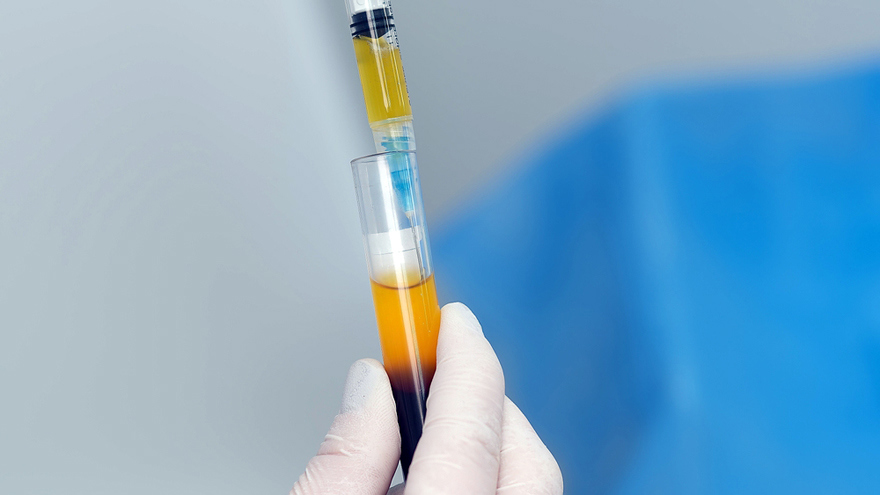
Blood draw. A sample of the patient's own blood is collected.
Centrifugation. The blood is processed to separate and concentrate the platelet-rich plasma from other blood components.
Injection. The concentrated PRP is injected directly into the damaged or injured area — a joint, tendon, or other target tissue identified during diagnosis.
Growth factor delivery. The platelets in the PRP release growth factors at the injection site, which the clinic states support tissue regeneration and recovery by stimulating the body's own healing response.
Treatment is performed under direct specialist oversight, with the treatment area and plan determined individually rather than as a standardized protocol.
How PRP Compares to Other Regenerative Options at Nucellin
Nucellin Orthopedic Clinic draws a specific distinction between PRP and stem cell-based regenerative therapy: PRP delivers platelet-derived growth factors that activate the body's natural healing response, while the clinic's blood- or bone marrow-derived stem cell therapies transplant stem cells capable of differentiating into tissue cells for more fundamental tissue regeneration and repair. Although both approaches begin with blood collection and processing, the clinic describes them as fundamentally different mechanisms — growth-factor stimulation versus cellular differentiation — and states that its physician determines which approach, or combination, is appropriate for a given patient's diagnosis.
What to Expect
Stage | What the clinic states |
|---|---|
Preparation | Blood drawn from the patient and centrifuged to isolate platelet-rich plasma |
Procedure | Injection of concentrated PRP into the treatment area under specialist oversight |
Mechanism | Growth factors released from platelets stimulate the body's natural healing response |
Independent evidence (OrthoInfo/AAOS) | Effectiveness supported for chronic tendon injuries (especially tennis elbow) and low- to moderate-grade knee osteoarthritis; more limited evidence for acute ligament/muscle injuries, certain surgical uses, and fractures |
Nucellin Orthopedic Clinic's published material does not specify a detailed recovery timeline, number of recommended sessions, or specific pre- and post-treatment instructions for its own PRP service; independent sources note that some increase in pain at the injection site can occur in the days following treatment before improvement is felt. These specifics are addressed individually at consultation.
Why US and International Patients Consider This Program
International patients researching PRP generally want an honest picture of what independent evidence supports, prefer a non-surgical option prepared from their own blood rather than a synthetic product, and value a physician who personally oversees diagnosis and treatment planning rather than a technician-only visit. Nucellin Orthopedic Clinic frames this service around exactly that structure, with Dr. Kim personally overseeing each stage of care. As with the clinic's other programs, independently verified US-patient testimonial evidence specific to this service is still pending internal confirmation, so prospective patients are encouraged to raise this directly at consultation.
International patients can use the clinic's online reservation system to arrange a consultation, and the clinic publishes its address, operating hours, and travel guidance — including an airport limousine bus route from Incheon International Airport, driving directions, and valet parking.
Safety, Precision, and Clinic Standards
PRP is prepared from the patient's own blood (autologous), which independent sources note carries a risk profile broadly comparable to cortisone injections, with temporary increased injection-site pain as the most commonly reported effect.
Nucellin Orthopedic Clinic is a Registered Medical Institution for Attracting Foreign Patients, certified by Korea's Ministry of Health and Welfare (Business Registration Number 252-08-03394).
Dr. Heejun Kim personally oversees consultation, diagnosis, treatment planning, and the procedure itself.
Independent evidence (OrthoInfo/AAOS) currently supports PRP most clearly for chronic tendon injuries and mild-to-moderate knee osteoarthritis; evidence for other applications is less conclusive, and this page does not overstate what has been independently established.
Because this program is delivered under Korean, not US, medical regulation, this page does not imply FDA approval or clearance for any product or technique used at the clinic.
The Bottom Line
PRP Joint Injection Therapy uses the patient's own concentrated platelets to deliver growth factors to damaged joint or tendon tissue.
Independent evidence (OrthoInfo/AAOS) supports PRP most clearly for chronic tendon injuries like tennis elbow and for low- to moderate-grade knee osteoarthritis.
PRP differs mechanistically from Nucellin's stem cell-based therapies, which transplant cells capable of differentiating into new tissue rather than simply stimulating existing healing pathways.
Risks are generally minimal, comparable to cortisone injection, with temporary injection-site discomfort the most common effect.
Candidacy and expected outcomes are confirmed during a consultation with Dr. Kim.
Frequently Asked Questions
Who is a good candidate for PRP? Nucellin Orthopedic Clinic describes PRP as intended for patients with damaged tissues requiring regeneration. Independent evidence supports this most clearly for chronic tendon injuries and mild-to-moderate knee osteoarthritis.
How does the clinic reduce risk during PRP treatment? PRP uses the patient's own blood, which is collected, centrifuged to isolate platelet-rich plasma, and then injected into the injured area under direct specialist oversight with an individualized treatment plan.
Can PRP be combined with another procedure? The clinic's PRP-specific material does not state that PRP is routinely combined with another procedure; combination approaches, where relevant, are determined clinically with Dr. Kim.
How is PRP different from stem cell therapy? Although both begin with blood collection and centrifugation, PRP delivers platelet-derived growth factors that stimulate the body's natural healing response, while stem cell therapy transplants stem cells capable of differentiating into new tissue cells for more fundamental regeneration and repair.
Will the doctor or team speak my language? Yes — the clinic states an English-speaking team is available to support international patients.
What makes this clinic's approach different? Nucellin Orthopedic Clinic emphasizes regenerative, non-surgical treatment focused on restoring function and preventing recurrence, with Dr. Heejun Kim personally overseeing consultation, diagnosis, treatment planning, and key regenerative procedures.
What results are realistic? The clinic states that PRP aims to stimulate the body's natural healing process, reduce inflammation, and promote tissue regeneration. Independent evidence (OrthoInfo/AAOS) supports meaningful effectiveness for chronic tendon injuries and mild-to-moderate knee osteoarthritis specifically, with more limited evidence in other applications such as acute ligament injuries, certain surgical uses, and fractures — a distinction worth understanding before treatment.
Is PRP covered by insurance? Independent sources note that PRP is not routinely reimbursed by many health insurance or workers' compensation plans, since it is still considered an emerging treatment in some jurisdictions; international patients should confirm their own coverage situation directly with their insurer.
Does the type of PRP preparation matter? Independent sources note that PRP can be prepared as "leukocyte-rich" or "leukocyte-poor," depending on the white blood cell concentration relative to whole blood, and that research has not yet established which type is preferable for which condition. This is a technical preparation detail worth asking about directly if it is relevant to your specific diagnosis.
Book a Consultation at Nucellin Orthopedic Clinic
To discuss whether PRP is right for your condition, book a consultation with Dr. Heejun Kim at Nucellin Orthopedic Clinic, or learn more about the clinic and Dr. Kim beforehand.
Disclaimer
This page is for general informational purposes and does not constitute individualized medical advice. Candidacy, technique, and expected outcomes can only be determined through a consultation with a qualified physician.
Sources & Further Reading
Other Services
Explore additional treatments offered by our specialists.
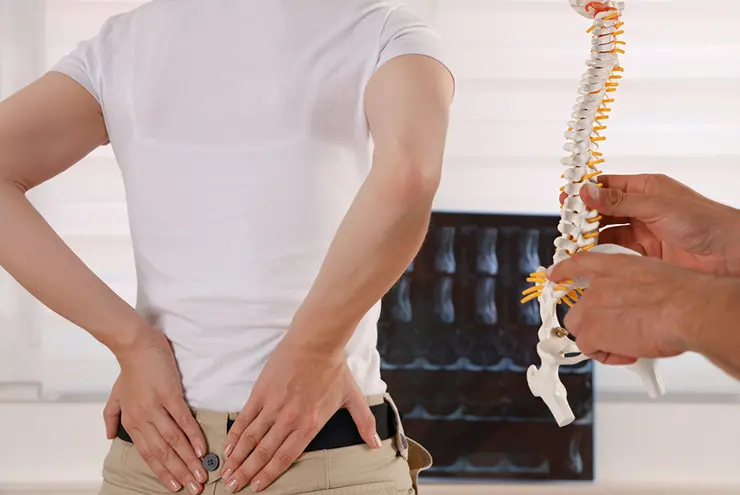
QMR Regenerative Manual Therapy
QMR Regenerative Manual Therapy at Nucellin Orthopedic Clinic combines Telea Medical's QMR (Quantum Molecular Resonance) technology, sourced from Italy, with hands-on manual therapy as part of the clinic's regenerative joint and spine treatment program.
Learn More
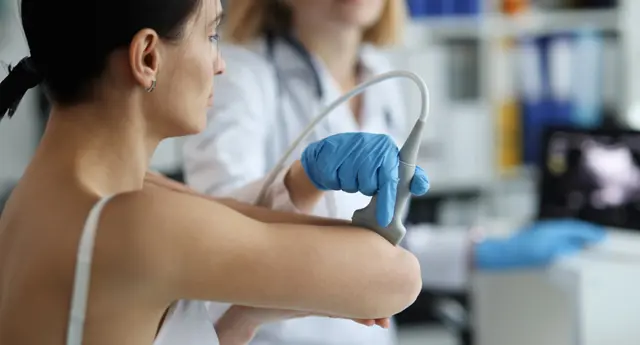
Musculoskeletal Ultrasound Evaluation
Musculoskeletal Ultrasound Evaluation is used by Nucellin Orthopedic Clinic as part of its musculoskeletal assessment process, providing real-time, non-invasive imaging of muscles, tendons, ligaments, nerves, and joints using the clinic's Philips EPIQ 5.
Learn More
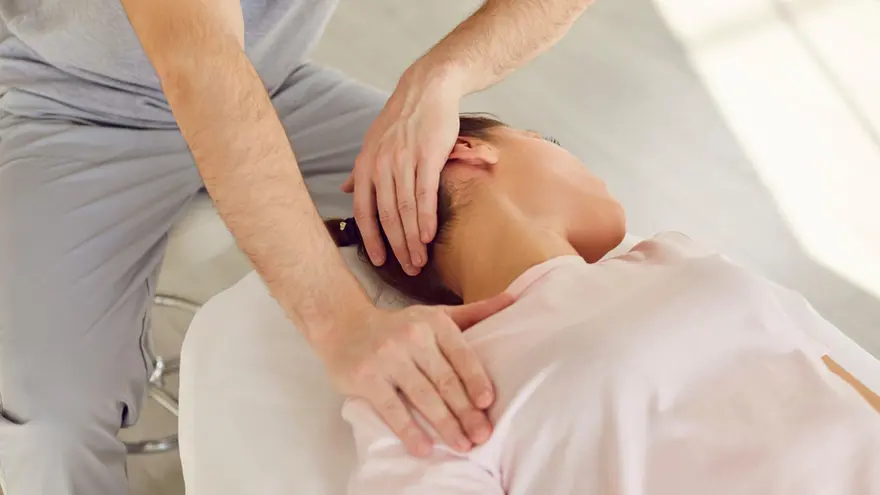
Personalized Rehabilitation Therapy
Personalized Rehabilitation Therapy at Nucellin Orthopedic Clinic combines physician-directed diagnosis with Telea Medical QMR (Quantum Molecular Resonance) technology and hands-on manual therapy.
Learn More