Personalized Medical Care & Dedicated International Patient Concierge


Specialty Overview
Hyperbaric & Systemic Regenerative Therapy
Hyperbaric & Systemic Regenerative Therapy combines HBOT and photonic therapy to support recovery, cellular activity, and whole-body regenerative care.
Schedule a ConsultationHyperbaric & Systemic Regenerative Therapy in Seoul

Medically reviewed by Dr. Heejun Kim, Board-Certified Orthopedic Surgeon, Chief Director, Nucellin Orthopedic Clinic · Nucellin Orthopedic Clinic, Seoul
Hyperbaric & Systemic Regenerative Therapy at Nucellin Orthopedic Clinic combines Hyperbaric Oxygen Therapy (HBOT) and extracorporeal photonic therapy, two systemic modalities the clinic offers to support recovery, cellular activation, and regenerative treatment more broadly, rather than targeting one single joint or injury site. The program is overseen by Dr. Heejun Kim, a board-certified orthopedic surgeon.
What Is Hyperbaric & Systemic Regenerative Therapy?
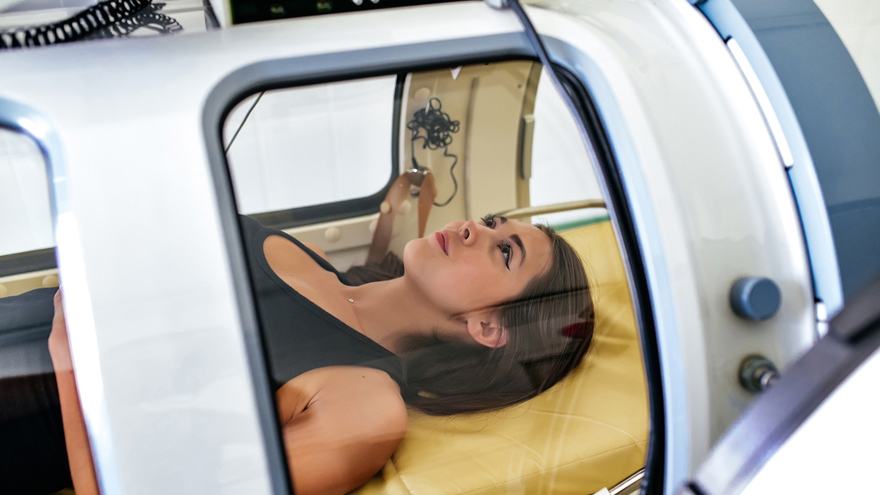
Nucellin Orthopedic Clinic provides Hyperbaric Oxygen Therapy using pure oxygen in a high-pressure environment of 2–3 ATA (atmospheres absolute), alongside extracorporeal photonic therapy, which circulates blood outside the body and exposes it to specialized light energy. Both are presented as systemic, whole-body-oriented therapies rather than treatments targeted at one specific joint.
A few mechanical facts frame what each modality actually involves:
HBOT is delivered using the clinic's IBEX hyperbaric chamber, providing pure oxygen at 2–3 times normal atmospheric pressure.
Extracorporeal photonic therapy is delivered with the clinic's Corage 2.0 device, which circulates blood outside the body and irradiates it with light energy.
Both are described by the clinic as supporting cellular activation and as complementary to its stem cell and other regenerative treatments, rather than as stand-alone cures.
Neither modality is surgical, and the clinic frames both as part of a broader regenerative and recovery-support program.
What Independent Sources Say About These Modalities
Hyperbaric oxygen therapy is one of the better-established modalities discussed on this page. According to Mayo Clinic's patient-education material, HBOT increases oxygen delivery to tissue by providing pure oxygen at 2 to 3 times normal air pressure, and it is a genuine, sometimes lifesaving treatment for specific conditions including decompression sickness, carbon monoxide poisoning, certain non-healing wounds, and tissue damage from radiation — but Mayo Clinic is also clear that the therapy carries real risks, including ear and sinus pressure injury, and rare but serious complications such as lung collapse or oxygen-related seizures, and that most complications are mild but increase with longer and repeated sessions. The Undersea and Hyperbaric Medical Society (UHMS), the field's specialist professional body, maintains a defined list of medically accepted indications for HBOT and continues to evaluate emerging uses through its registry and clinical practice guidelines — a useful reminder that not every proposed use of HBOT has the same level of independent evidentiary support, and that systemic wellness-oriented use (as offered within this program) sits differently, evidentially, than the accepted indications for conditions such as decompression sickness or non-healing wounds.
Nucellin Orthopedic Clinic's own material likewise notes that ear-related barotrauma is a recognized adverse effect of HBOT, consistent with a 2025 systematic review the clinic references that found otologic adverse events, principally middle-ear barotrauma, in HBOT studies. The clinic's material also references FDA guidance to healthcare providers on fire risk associated with high-concentration oxygen environments, and the importance of staff training and adherence to manufacturer safety procedures. Extracorporeal photonic therapy (photobiomodulation-style light exposure of circulating blood) is a comparatively newer and less independently studied modality than HBOT; patients considering it as part of this program should treat it, honestly, as a complementary, less-established addition rather than a substitute for the more thoroughly studied elements of the clinic's regenerative program.
Who Oversees This Program at Nucellin Orthopedic Clinic
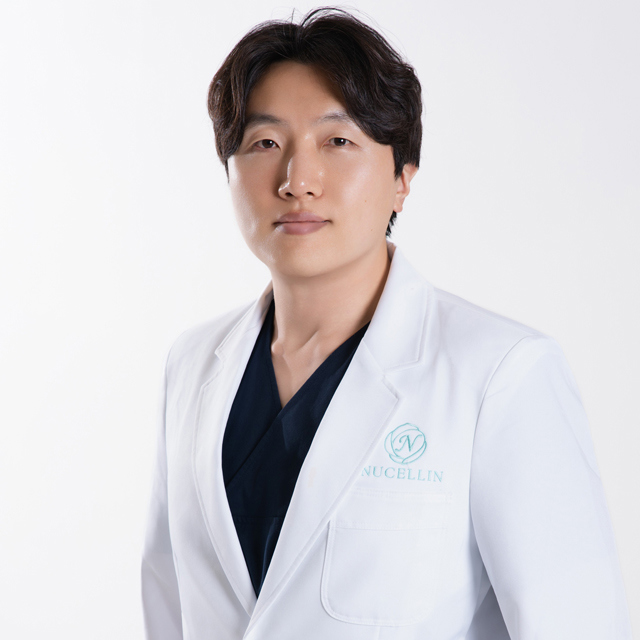
Dr. Heejun Kim, the clinic's Chief Director
Board-certified orthopedic surgeon
Dr. Heejun Kim, the clinic's Chief Director and a board-certified orthopedic surgeon, personally oversees this program as part of the clinic's broader regenerative treatment model for both local and international patients. He is a graduate of Yonsei University College of Medicine and completed his orthopedic surgery residency and internship at Yonsei University Severance Hospital, later serving as a Clinical Instructor in the Department of Orthopedic Surgery there. His documented professional memberships span the Korean Knee, Shoulder, Spine Surgery, and Hip Societies, ISMST (International Society for Medical Shockwave Treatment), the Korean Society for Stem Cell Therapy, the Korean Society of Musculoskeletal Stem Cells, and the Advanced Regenerative Medicine Research Society.
HBOT and Extracorporeal Photonic Therapy Compared
Because these two modalities are grouped under one program but work quite differently, the table below summarizes how Nucellin Orthopedic Clinic itself describes each one:
Hyperbaric Oxygen Therapy (HBOT) | Extracorporeal Photonic Therapy | |
|---|---|---|
Equipment | IBEX hyperbaric chamber | Corage 2.0 photonic device |
Mechanism (clinic description) | Pure oxygen delivered at 2–3 ATA pressure | Blood circulated outside the body and exposed to light energy |
Independent evidence base | Well-established for specific indications (Mayo Clinic, UHMS); systemic wellness use is a separate, less-established application | Comparatively newer; less independent research available |
Clinic-stated role in this program | Used before/after regenerative treatment to support oxygen supply and the regenerative environment | Described as having benefits when combined with stem cell and regenerative treatment |
Recognized risk | Ear/sinus barotrauma; rare serious complications | Not separately detailed in the clinic's published material |
Why US and International Patients Consider This Program
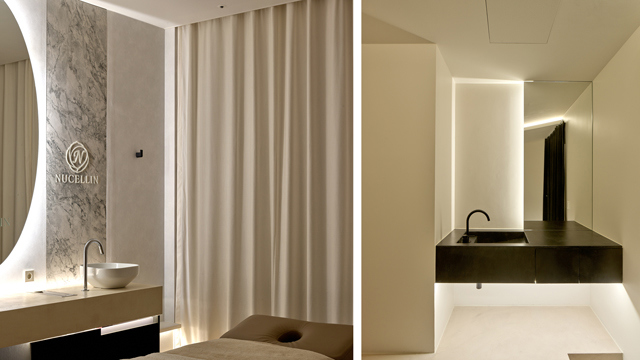
Nucellin Orthopedic Clinic reports that US patients researching regenerative and recovery-support therapies generally want to understand whether a specific treatment is backed by independent evidence, prefer non-surgical options, and expect individualized planning built around internationally recognized technology rather than a generic wellness package. The clinic positions this program around several specific, verifiable points: a board- and residency-trained orthopedic surgeon overseeing the broader regenerative plan into which this program fits; internationally sourced equipment (the IBEX chamber and Corage 2.0 device); a private, one-to-one treatment environment; and an English-speaking team supporting consultation and follow-up. As with the clinic's other programs, independently verified US-patient testimonial evidence specific to HBOT and photonic therapy is still pending internal confirmation, so prospective patients are encouraged to raise this directly at consultation.
International patients can use the clinic's online reservation system, and the clinic publishes its address, operating hours, and transport guidance — including an airport limousine bus route from Incheon International Airport, driving directions, and valet parking — to help plan a visit that may include this program alongside a primary regenerative treatment.
Who May Consider This Program

Nucellin Orthopedic Clinic lists the following groups among those for whom it presents this program:
People with severe chronic fatigue or persistently low energy.
People with weakened immunity or frequent infections.
Athletes or active individuals seeking recovery support after intense training or competition.
Patients undergoing rehabilitation or recovering more slowly than expected.
People with inflammation-related concerns, or chronic conditions such as arthritis or metabolic disorders, seeking a systemic complement to their primary treatment.
Patients already receiving the clinic's stem cell or other regenerative treatments who are considering HBOT or photonic therapy as an adjunct before or after that treatment.
The clinic's published Foundation material does not specify detailed exclusion criteria for this specific program; general HBOT contraindications recognized in the wider medical literature (such as certain lung conditions or an inability to equalize middle-ear pressure) and any concerns specific to photonic therapy are discussed individually at consultation.
What to Expect
Nucellin Orthopedic Clinic describes HBOT as delivered using pure oxygen in a pressurized chamber, and extracorporeal photonic therapy as circulating blood outside the body for light-based treatment. The clinic states that HBOT may be used both before and after stem-cell and regenerative treatments — before treatment, it is intended to improve oxygen supply and blood flow; after treatment, it is intended to support the regenerative environment. The clinic frames these as its own stated claims about how the therapies may support its broader regenerative program, rather than as independently established benefits for every regenerative treatment or every patient.
The clinic's published material does not specify a fixed number of sessions, a standard session length beyond general HBOT norms, or a specific recovery timeline for this program; these are confirmed individually at consultation, since they depend on the reason HBOT or photonic therapy is being considered in the first place.
For patients combining this program with a primary regenerative treatment such as stem cell therapy or a joint and spine injection program, the clinic's stated sequencing — HBOT before treatment to support oxygen supply and blood flow, and again afterward to support the regenerative environment — means the practical schedule is usually built around the primary treatment's own timeline rather than around HBOT as a stand-alone visit. Patients traveling from abroad should raise the full sequence, including how many HBOT or photonic sessions are anticipated around a given primary treatment, during the initial consultation so that a realistic trip itinerary can be planned.
Combining This Program with Other Treatments
Nucellin Orthopedic Clinic explicitly describes HBOT as used before and after stem-cell and regenerative treatments to support oxygen supply, blood flow, and the regenerative environment, and separately describes extracorporeal photonic therapy as having benefits when combined with stem cell and other regenerative treatments. Patients pursuing the clinic's Stem Cell & Biologic Regenerative Medicine program, or its Regenerative Joint & Spine Treatment program, can discuss whether adding HBOT or photonic therapy to their plan is appropriate.
Safety, Precision, and Clinic Standards
HBOT at Nucellin Orthopedic Clinic is delivered using the IBEX hyperbaric chamber at 2–3 ATA; Mayo Clinic and the Undersea and Hyperbaric Medical Society (UHMS) both publish independent patient and clinical guidance on HBOT's established uses and risks.
The clinic's own material acknowledges ear-related barotrauma as a recognized HBOT risk, consistent with independent published evidence, and references FDA safety guidance to providers regarding oxygen-related fire risk.
Nucellin Orthopedic Clinic is a Registered Medical Institution for Attracting Foreign Patients, certified by Korea's Ministry of Health and Welfare (Business Registration Number 252-08-03394).
A guaranteed anti-aging effect, telomere-length extension, systemic regeneration, immunity enhancement, or accelerated regenerative-treatment outcome cannot be established from the available independent evidence; the clinic's own material states this directly, and this page does not promise such outcomes.
Oxygen-enriched environments carry a recognized fire risk; the FDA's provider-facing guidance on this point is one of the reasons accredited HBOT facilities follow defined staff training and equipment-safety procedures.
Care under this program is delivered under Korean, not US, medical regulation, and this page does not imply FDA approval or clearance for any procedure performed at the clinic.
The Bottom Line
Hyperbaric & Systemic Regenerative Therapy combines HBOT (IBEX chamber, 2–3 ATA) and extracorporeal photonic therapy (Corage 2.0 device) as systemic, recovery-support modalities.
HBOT is a genuinely well-studied therapy for a defined set of medical indications, per Mayo Clinic and UHMS, though this program's systemic wellness-oriented use is evidentially different from those accepted indications.
Extracorporeal photonic therapy is a newer, less independently studied modality than HBOT and is best understood as a complementary addition rather than a primary treatment.
The clinic states both modalities may be combined with its stem cell and other regenerative programs, before or after treatment.
Realistic expectations, candidacy, and any combination plan are confirmed individually with Dr. Kim.
Frequently Asked Questions
What conditions is HBOT independently established to treat? Independent sources such as Mayo Clinic and UHMS confirm HBOT as an accepted treatment for conditions including decompression sickness, carbon monoxide poisoning, certain non-healing wounds, and radiation-related tissue damage. This program's systemic, recovery-oriented use is a different application, discussed on its own terms at consultation.
What are the main risks of HBOT? Independent sources describe ear and sinus pressure-related effects as the most common risks, with rare but more serious complications such as lung collapse or oxygen-related seizures. Nucellin Orthopedic Clinic's own material specifically acknowledges ear-related barotrauma as a recognized adverse effect.
Is extracorporeal photonic therapy as well studied as HBOT? No. Photonic (light-based) therapy of circulating blood is a comparatively newer modality with less independent research than HBOT. It is presented by the clinic as a complementary addition to its regenerative programs rather than an independently proven stand-alone treatment.
Can this program be combined with stem cell therapy? Yes. The clinic states that HBOT may be used before and after stem-cell and regenerative treatments to support oxygen supply, blood flow, and the regenerative environment, and that photonic therapy is described similarly.
Does HBOT guarantee anti-aging or immune benefits? No. The clinic's own material states directly that a guaranteed anti-aging effect, telomere-length extension, or immunity enhancement cannot be established from the available evidence, and this page does not promise such outcomes.
Who is not a good candidate for HBOT? The clinic's published material does not list detailed exclusion criteria for this program; general contraindications recognized in the wider medical literature, and any specific to a given patient's health history, are reviewed individually at consultation.
How many HBOT sessions do people typically need? Independent sources note that the number of sessions varies widely by purpose — some medically accepted indications, such as carbon monoxide poisoning, may need only a few sessions, while others, such as non-healing wounds, may need 40 or more. Nucellin Orthopedic Clinic's published material does not specify a fixed number of sessions for this systemic, recovery-support program specifically; this is discussed individually based on the reason HBOT is being considered.
What should I ask before adding HBOT or photonic therapy to my treatment plan? Reasonable questions include: what specific outcome is this modality expected to support in my case, is that expectation based on the clinic's own experience or on independent published evidence, what are the known risks, and how does this fit with the primary regenerative treatment I am already considering. Raising these directly with Dr. Kim at consultation is the most reliable way to set realistic expectations.
Book a Consultation at Nucellin Orthopedic Clinic
To discuss whether Hyperbaric & Systemic Regenerative Therapy is appropriate for you, book a consultation with Dr. Heejun Kim at Nucellin Orthopedic Clinic, or learn more about the clinic and Dr. Kim beforehand.
Disclaimer
This page is for general informational purposes and does not constitute individualized medical advice. Candidacy, technique, and expected outcomes can only be determined through a consultation with a qualified physician. Care described here is delivered under Korean medical regulation, not under US FDA oversight.
Sources & Further Reading
Related Services
Procedures available within our clinical departments.

QMR Regenerative Manual Therapy
QMR Regenerative Manual Therapy at Nucellin Orthopedic Clinic combines Telea Medical's QMR (Quantum Molecular Resonance) technology, sourced from Italy, with hands-on manual therapy as part of the clinic's regenerative joint and spine treatment program.
Learn More
Musculoskeletal Ultrasound Evaluation
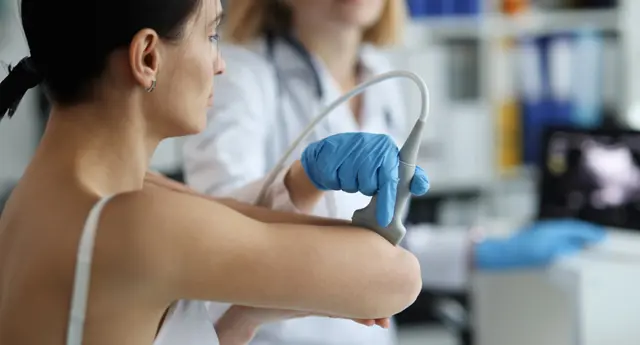
Musculoskeletal Ultrasound Evaluation is used by Nucellin Orthopedic Clinic as part of its musculoskeletal assessment process, providing real-time, non-invasive imaging of muscles, tendons, ligaments, nerves, and joints using the clinic's Philips EPIQ 5.
Learn More

Personalized Rehabilitation Therapy
Personalized Rehabilitation Therapy at Nucellin Orthopedic Clinic combines physician-directed diagnosis with Telea Medical QMR (Quantum Molecular Resonance) technology and hands-on manual therapy.
Learn More